“Sandplay is like dreaming with toys”
About Play Therapy
What is play therapy?
Play therapy is a form of counselling designed primarily for children, using play as a natural way for them to express thoughts and feelings that they may struggle to put into words. Through activities like drawing, clay, sand, role-play, and games, a trained therapist helps the child explore emotions, process experiences, and develop healthy ways of coping.
Play Therapy provides a safe, child-led environment where children can work through challenges such as anxiety, behavioural difficulties, trauma, or changes in family life. Play therapy meets children at their developmental level, allowing them to communicate in a way that feels comfortable and familiar. Another way to look at it is that children think and act with their hearts, whereas adults think and act with their heads. A play therapist meets the child at the heart level, rather than expecting them to express themselves in the same way that adults do.
Over time, this process can help improve emotional well-being, build confidence, and strengthen relationships with others.
How does the play therapy process work?
Each play therapy session lasts for 40 minutes and is held weekly. It is important to meet every week at the same time to maintain consistency, predictability and safety for the child. On average, children benefit from a minimum of 18-22 sessions of consistent play therapy.
When the child enters the room, they are told: “You have 40 minutes, you can do anything you like, as long as everyone and everything stays safe”. This is a child-friendly way of explaining that they can choose what to do as long as they don’t hurt themselves, me, or break things on purpose. The routine for each session stays the same. The child leads the way, and the therapist follows, acting as a guide for the therapeutic process and enabling a sense of complete safety, which allows the child to express themselves honestly and authentically.
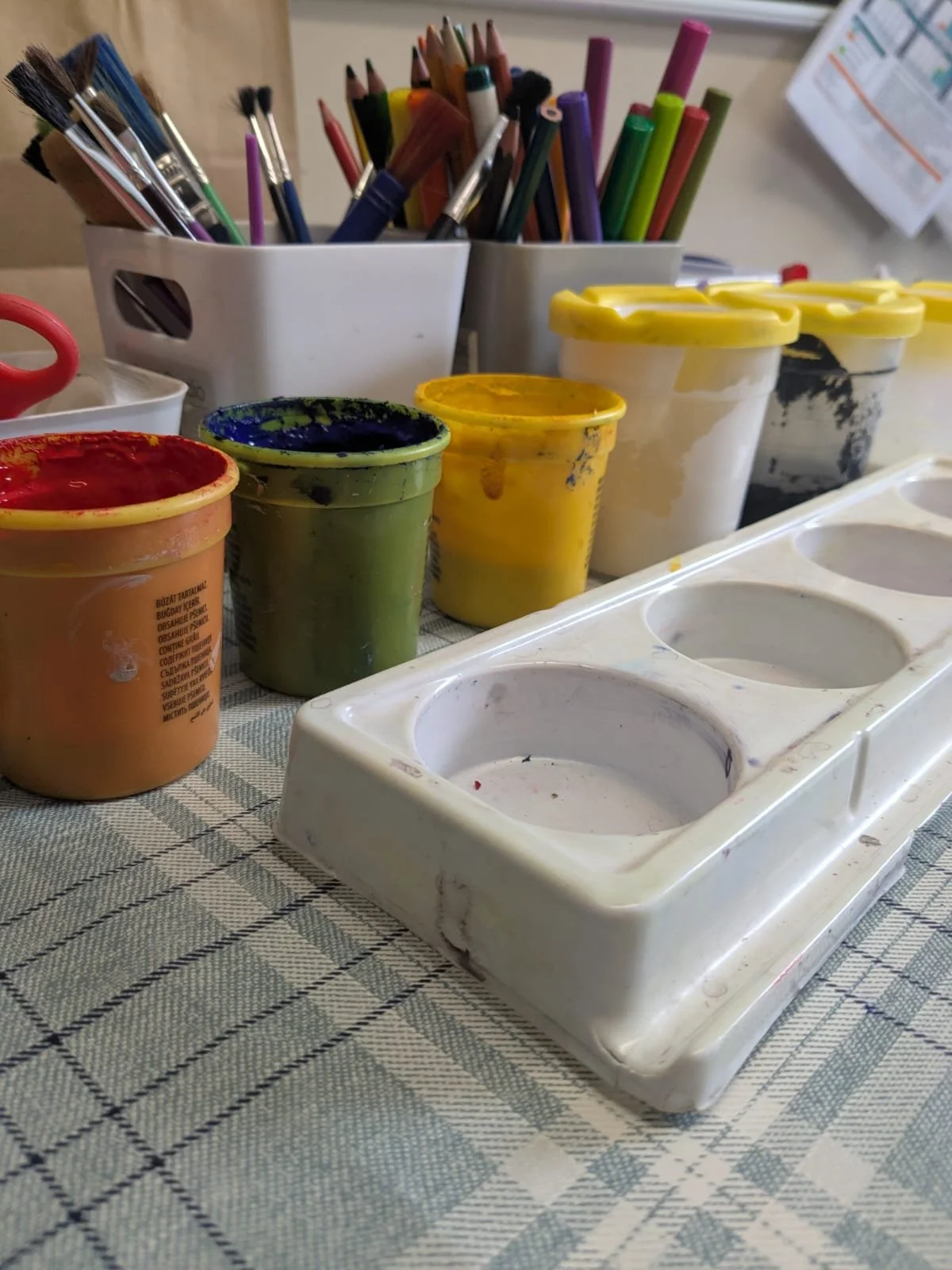
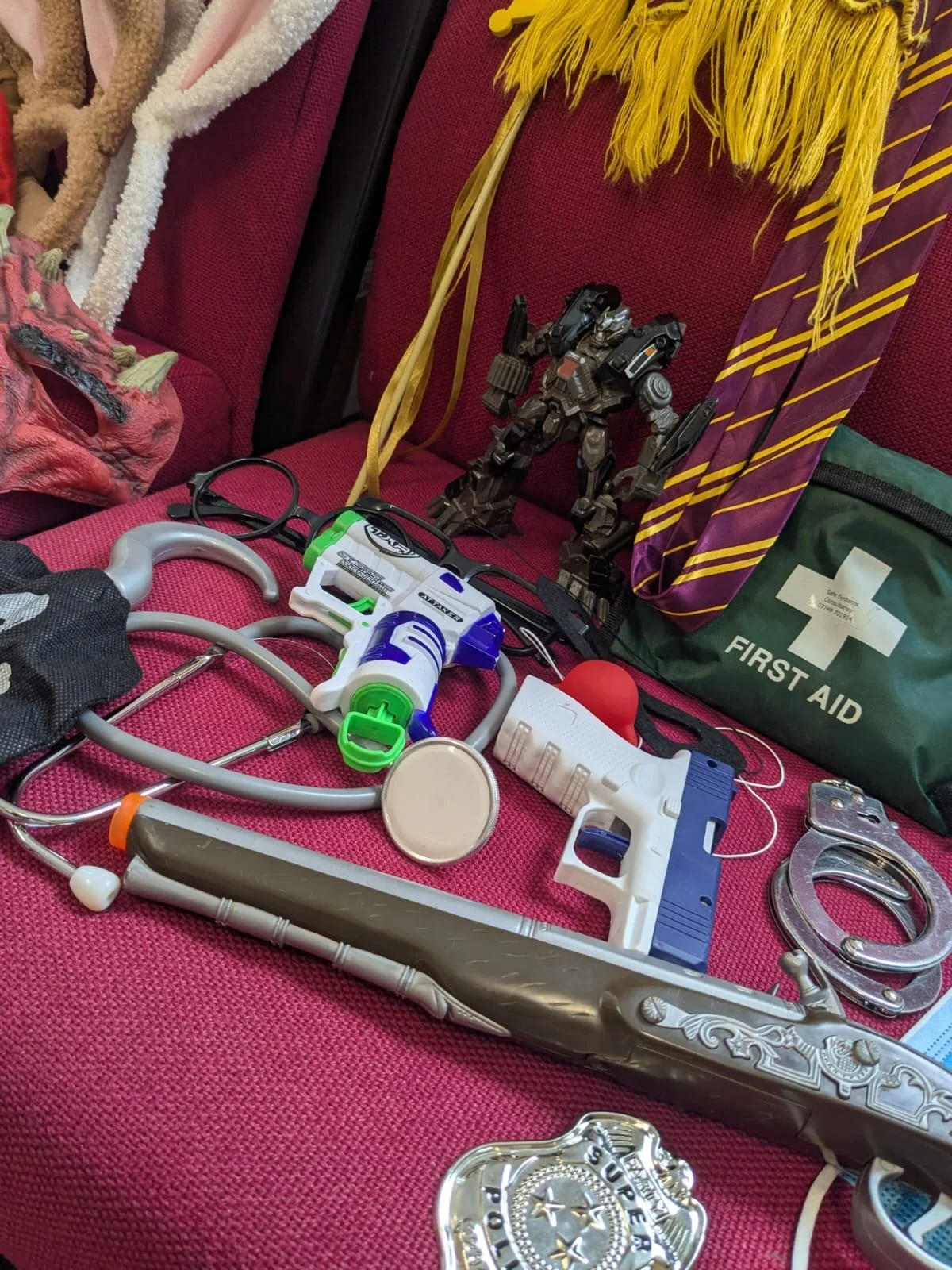
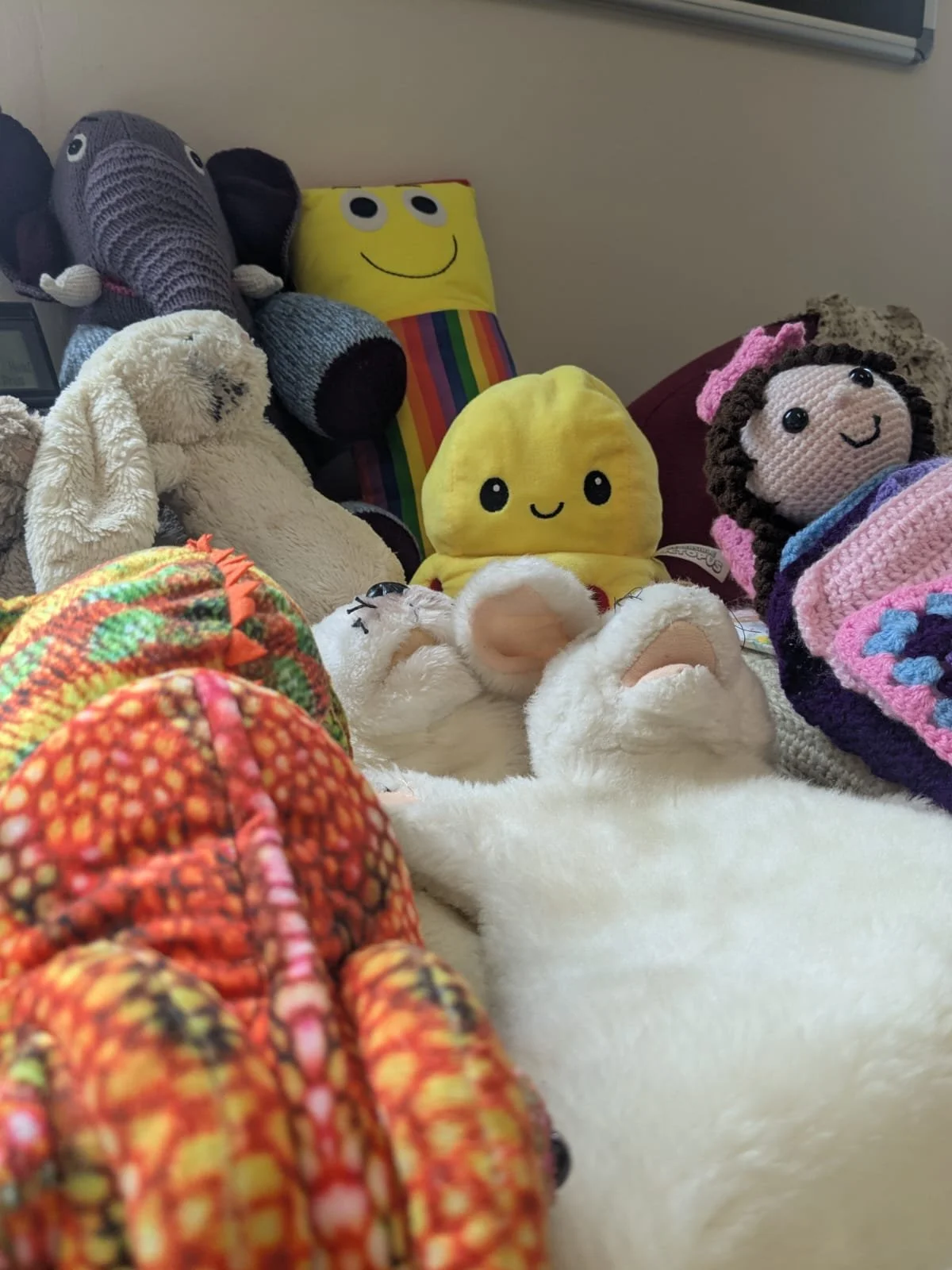
There are a variety of tools in the therapy playroom that children are free to explore, such as:
Clay
Sand
Puppets
Soft Toys
Dressing Up
Arts and Crafts
Role Play
What is in the play therapy room?
Everything in the playroom is handpicked by me, and each medium allows for a different form of self-expression.