
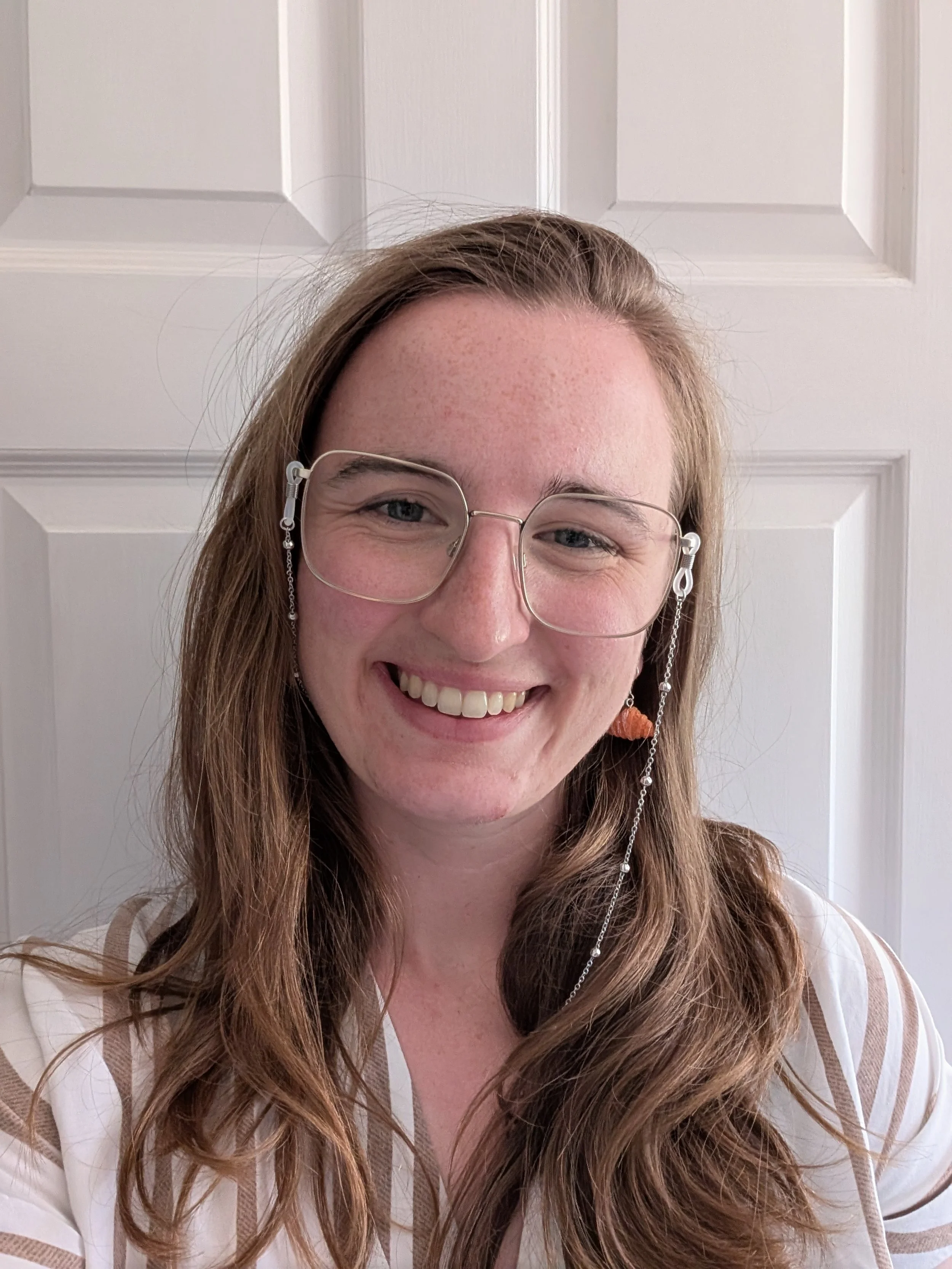
Meet Lucy
I grew up surrounded by children and have been caring for children since the age of 12. I started working with children with additional needs after leaving school, this was when I discovered a passion for neurodiversity and the joy of helping children achieve goals that seem tiny to the rest of the world, but are, in fact, huge achievements for these tiny humans who have so many challenges they need to overcome.
I have a wide variety of experience and have worked in a lot of different settings throughout my career, including Early Years settings, SEN schools, and residential childcare. In these roles, I have worked with some of the most vulnerable children in society, and as a result, I am deeply passionate about giving all children a voice and the confidence to use that voice. This is ultimately what led me to Play Therapy 3 years ago, and I have never looked back.
My qualifications
BSc Education and Psychology
Postgraduate Certificate in Therapeutic Play
Postgraduate Diploma in Play Therapy
My Approach
Throughout my career, I have seen time and time again, children being misunderstood, talked over and unable to express themselves freely. In my play therapy sessions, I let the child lead; they have a space to be unapologetically themselves, free from judgment. This child-led approach can lead to almost magical transformations in confidence, self-esteem and resilience.
I am very passionate about helping children to manage their feelings in a safe, respectful way, whilst also allowing them to remain unique, finding systems that work for them, rather than generic regulation techniques.

Safe, Respectful, Honest
These three words are my magic words to help children manage their big feelings. I encourage them to express themselves in ways that keep them and others safe, are respectful, and are honest. This is challenging for children, and many won’t fully grasp these concepts until much later in life. However, learning these lessons early will make it much easier for them to implement them in adulthood.
Evidence-Based Practice
Most of how I work as a therapist comes from my years of experience working with children who exhibit challenging behaviour and/or struggle with their social, emotional, and mental health. This is combined with the strong evidence base underlying play therapy, from theorists such as Virginia Axline and Gary Landreth, among others. I have undertaken three years of training and over 200 hours of clinical practice to gain the theoretical and practical knowledge to be the best play therapist possible.
For more information on the evidence base surrounding Play Therapy, please go to my About Play Therapy page.